
Allergy Avoidance
No matter what your allergy, avoidance where possible is always the key to helping your symptoms. However, this is of course, not necessarily easy to do for environmental allergies.
Housedust Mite Allergy Avoidance
There are some simple tips that can help your reduce housedust mite in your home:
- Frequent hoovering, including hoovering the mattress
- Damp dusting
- Antiallergy bedding and mattress protector
- Wash bedding at 60 degrees or above to kill the housedust mite.
- Remove teddies which carry high levels of housedust mite
- Keep animals out of the bedroom
- Consider changing carpets to wood floors or laminate flooring
Pollen Allergy Avoidance
Try to stay inside where possible on days of high pollen counts. If you have been outside, wash your hair afterwards to remove pollen grains. Wear wrap around glasses to protect your eyes from pollen and dry clothes inside during pollen season.
Pollen Allergy Avoidance
Some individuals with a pet allergy choose to keep their pets. If this is the case, then keeping pets out of the bedroom, frequently hoovering and changing your floors to hard wood or laminate flooring, are sensible ways to help manage. It is also sensible to wash your pets frequently in anti-allergy shampoo.
If you have a pet allergy and have uncontrolled asthma, are needing frequent steroids or hospital admissions; it would be encouraged to consider rehoming your pet.
Food Allergy Avoidance
In the UK, the mainstay of ‘treatment’ for food allergies, is sadly being told to strictly avoid the food. It cannot be underestimated how difficult this is with many accidental exposures being out of our control.
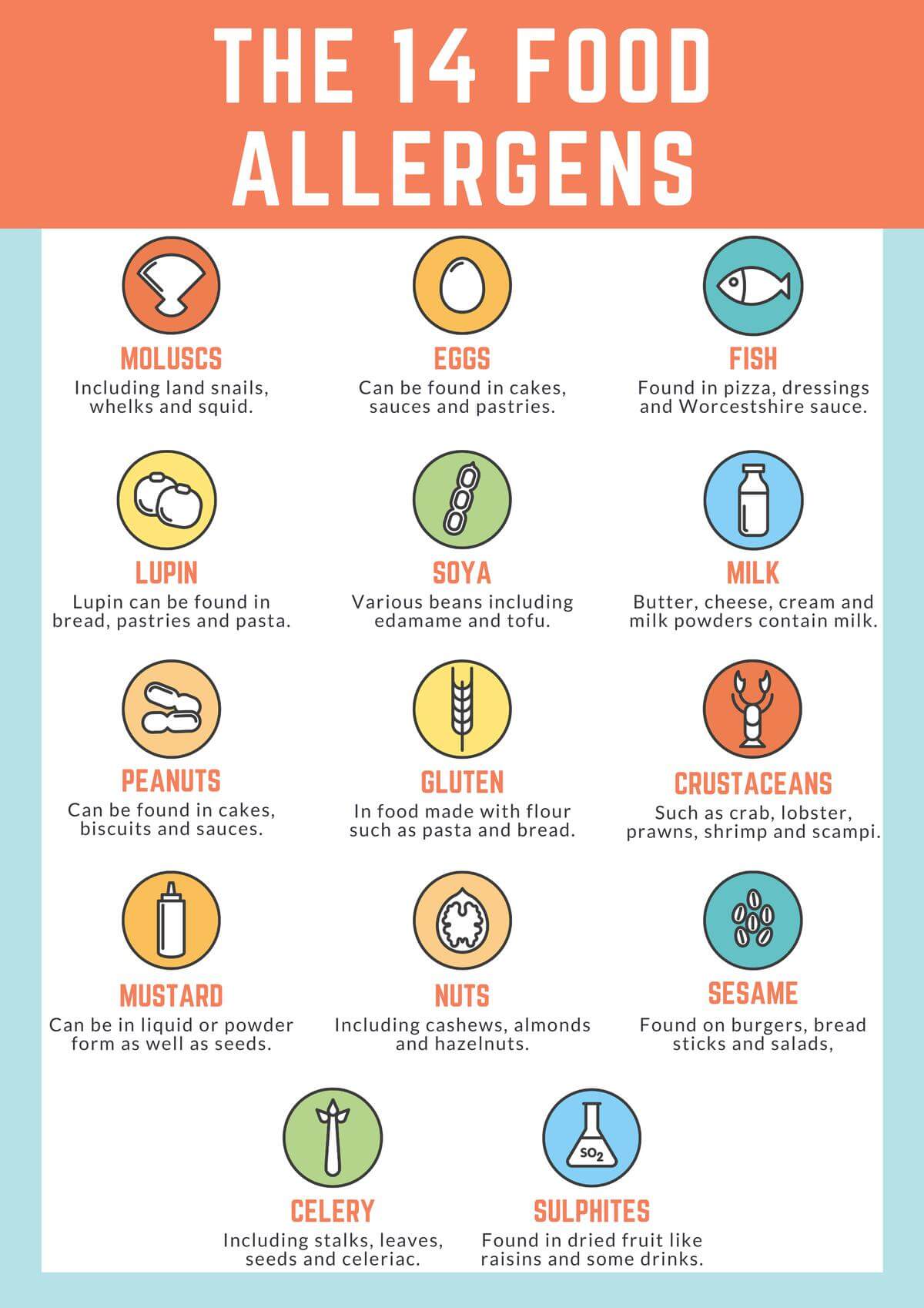
By law, the 14 main allergies will be written in bold on the packaging if they are contained within the product.
If you are allergic to something else, you will need to carefully read food packets to check it is safe to eat.
Packets should be checked every time you want to eat a food as manufacturers can change ingredients without your awareness.
Restaurants need to provide ingredient lists for all food, so always ask to see this to make sure it is safe for you. Never feel embarrassed about your food allergies, always check the ingredients and if you are not able to do this, then do not risk eating the food.
At Dr Helen Allergy we strongly believe that immunotherapy is a treatment option which should be considered for those with food allergies, regardless of the severity or the number of infections. Immunotherapy can build protection and reduce the risks of accidental exposure. For some, foods can actually be freely incorporated back into the diet and when undertaken early in life, immunotherapy may help promote resolution of the allergy.
If you would like any further information then please contact us.
FAQ
What does “allergy avoidance” mean?
Identifying and reducing exposure to things you’re allergic to (food, pets, dust, etc.).
Can total avoidance always be done?
Not always; aim is risk reduction, not always perfect elimination.
Are there tools to help?
Yes: filters, covers, allergen-safe products, cleaning routines, etc.
Is avoidance enough?
Sometimes it helps a lot; other treatments (medication, immunotherapy) often needed too.
How do I know what I need to avoid?
From allergy testing, history, and professional guidance.
